Wenhu ZHOU, a three-generation legacy:
the representative of intangible cultural heritage artwork
Yongchun Paper-Woven Painting
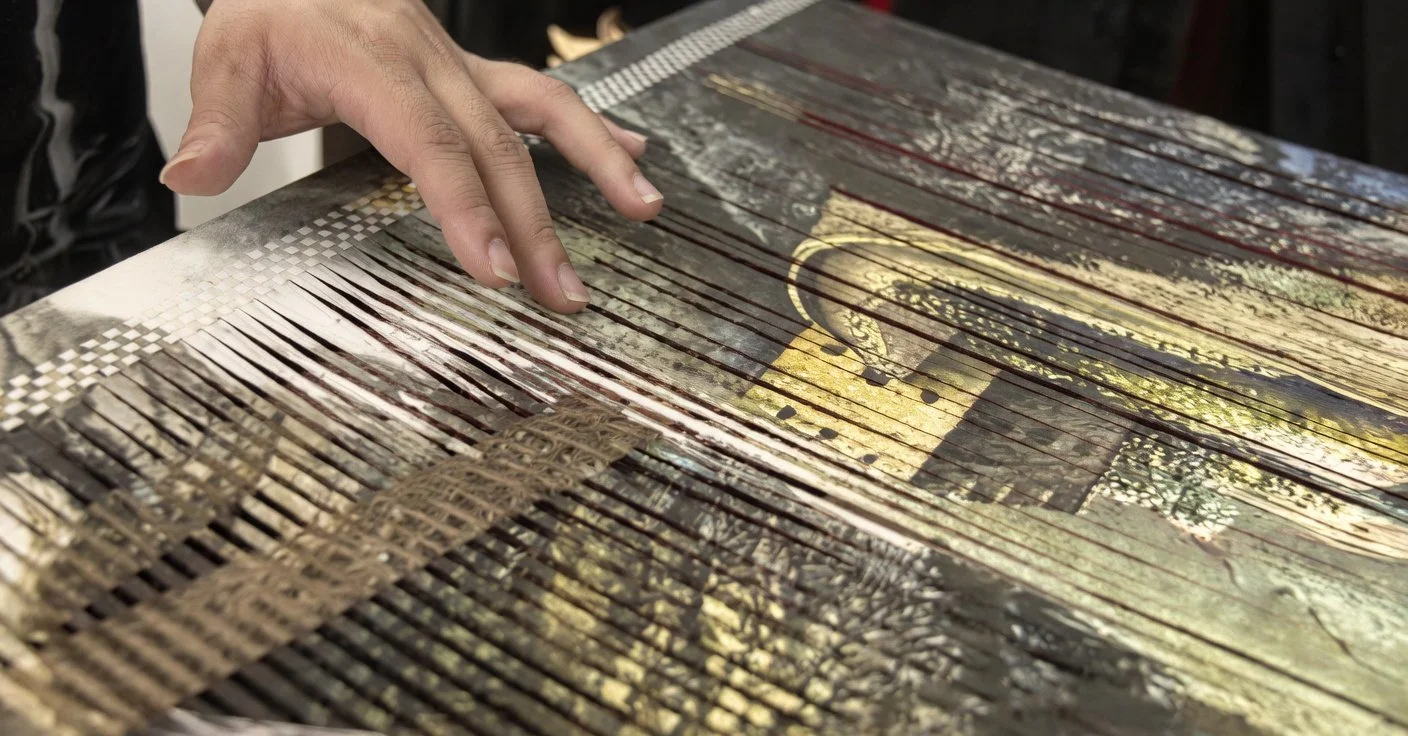
Yongchun paper-woven painting (Yongchun zhi zhi hua 永春紙織畫), a national intangible cultural heritage of China, is a unique Fujian folk art with over 1,300 years of history. It masterfully blends traditional Chinese painting with intricate weaving techniques. Two identical paintings are meticulously cut into fine vertical and horizontal strips, then interwoven like warp and weft to create a mosaic-like image with subtle optical illusions, hazy tonal shifts, and remarkable three-dimensional depth. This distinctive craft, once nearly lost, has been passionately revived and innovated by the Zhou family across three generations in Yongchun County, Quanzhou, Fujian.
The Zhou Family as Inheritors of Yongchun Paper-Woven Painting
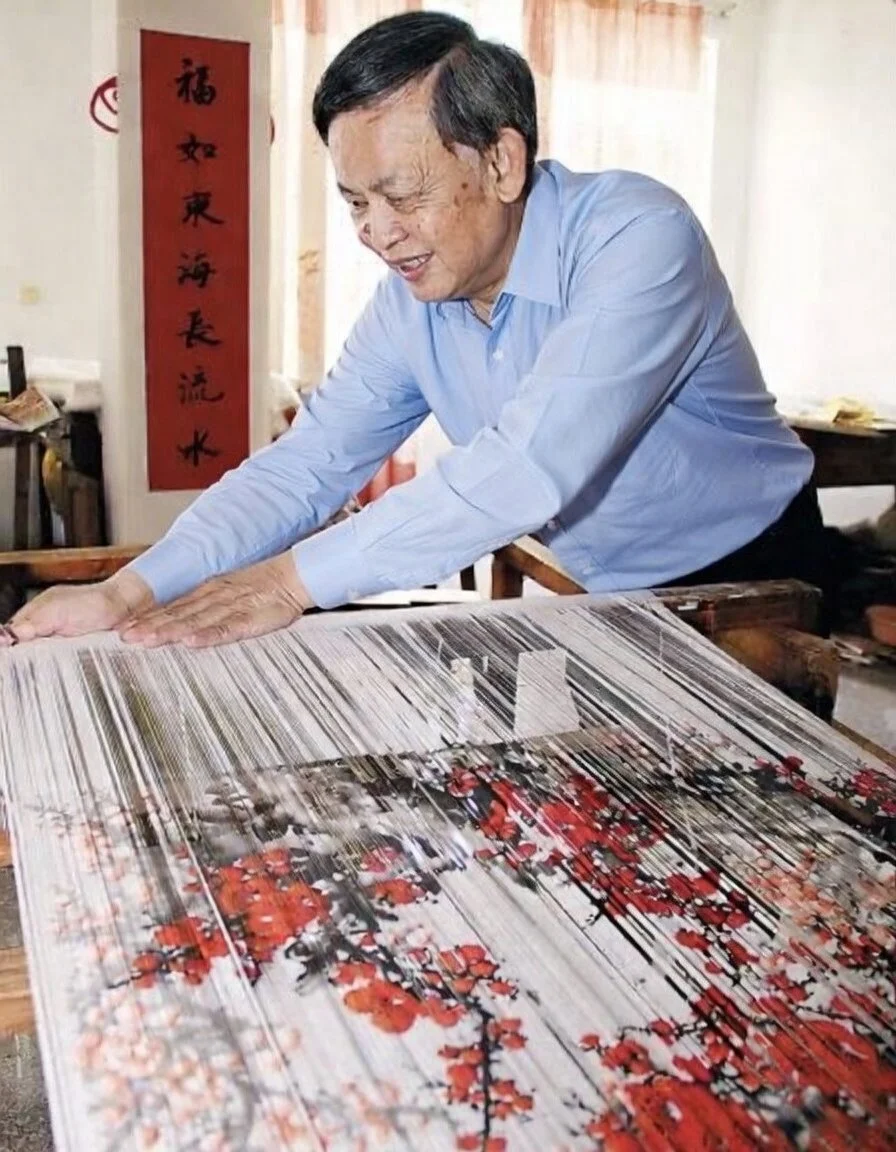
Wenhu Zhou (周文虎, born 1938), the family patriarch and a provincial/national-level inheritor of the art, stands as a towering figure in its modern revival. Apprenticed in 1957 under master Huang Yongyuan, Master Zhou dedicated over six decades to rescuing and elevating the craft. Renowned for his exquisite single-piece creations, long-scroll masterpieces (some recognized as Guinness World Records and collected by institutions like the China Military Museum), and titles such as Fujian Arts and Crafts Master, he transformed paper-woven painting from a fading folk tradition into a celebrated art form. His works embody classical refinement, technical precision, and cultural pride.
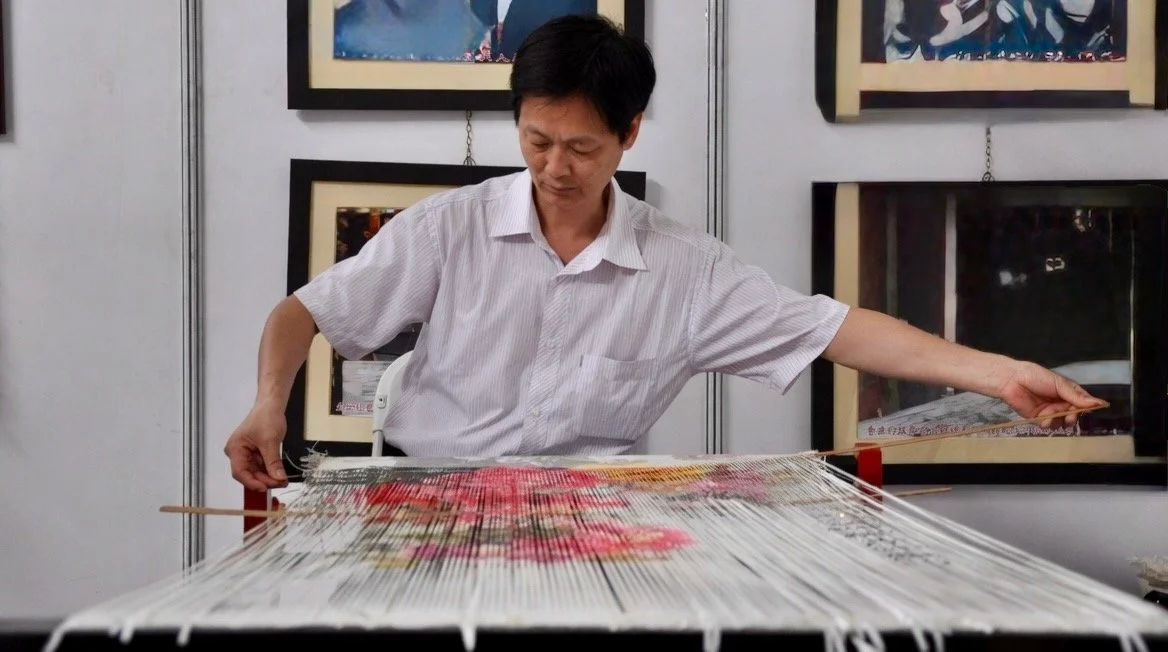
Mason Zhou (周梅森), son of Wenhu, represents the second generation and a bridge to modernity. A Fujian Arts and Crafts Master and founder of the Taoyuan Paper-Woven Painting Studio in 2005, he has over 35 years of experience. Building on his father’s foundation, Meisen expanded the repertoire significantly into ink-figure painting and narrative themes. He integrated modern technology with traditional methods, developing unique expressions that enriched the art’s emotional and thematic range while maintaining its core weaving craftsmanship.
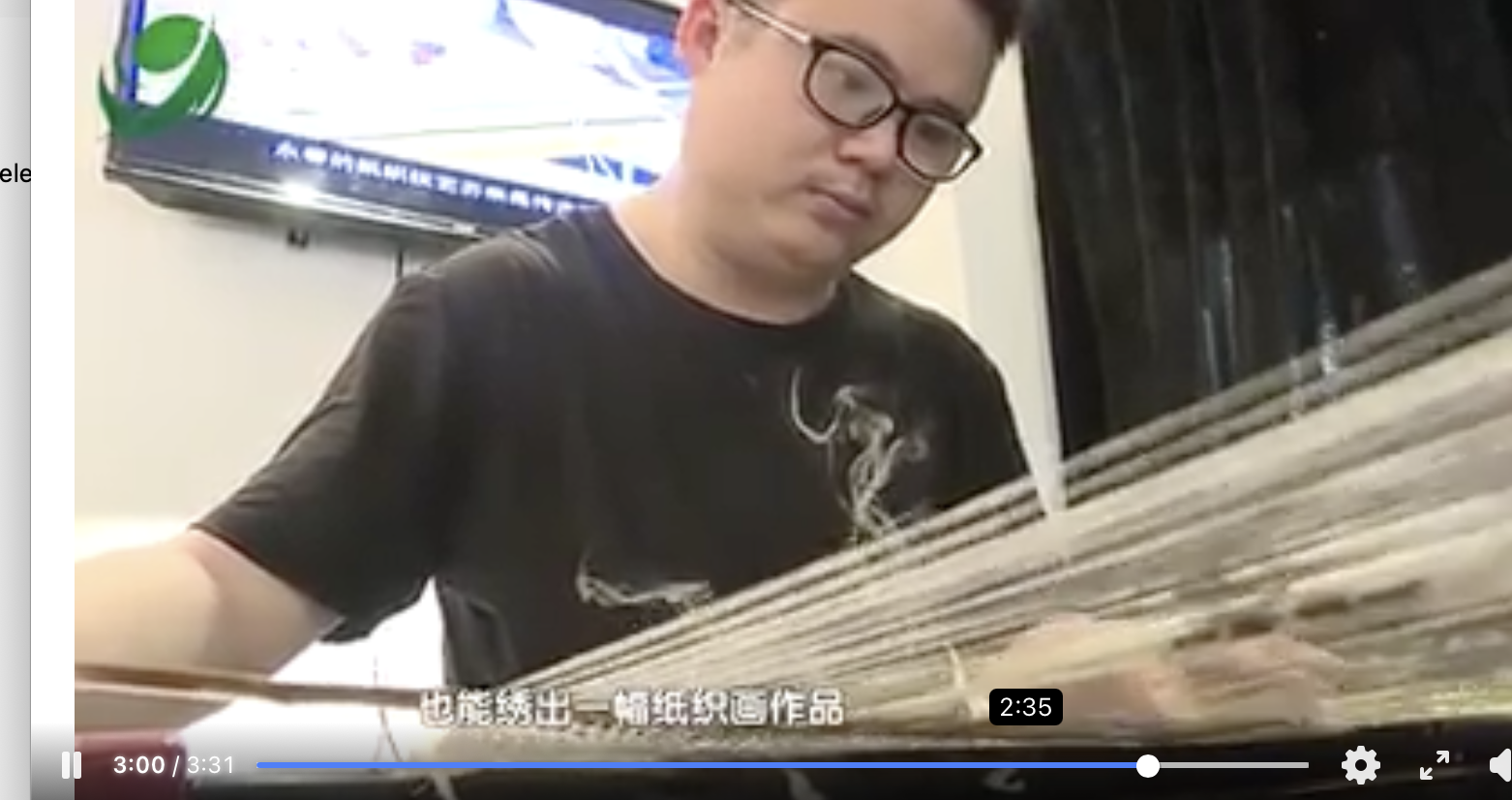
Jinhan Zhou (周錦翰), the third-generation inheritor, brings fresh vitality and innovation. A graduate of Fujian Normal University with a background in fine arts and computer design, Jinhan excels in meticulous gongbi (工筆fine-brush) painting. He adapts the craft for contemporary audiences by incorporating vibrant colors, modern motifs, and creative formats (such as triptychs and lifestyle products). Through workshops, exhibitions in Quanzhou, online platforms, and accessible “paper-weaving experiences,” he has successfully introduced the art to younger generations and wider markets, ensuring its relevance in the 21st century.
The representative of intangible cultural heritage artwork
Together, the Zhou family exemplifies living cultural transmission: from preservation and mastery (Wenhu), expansion and refinement (Meisen), to innovation and popularization (Jinhan). Their collective efforts have not only safeguarded Yongchun paper-woven painting but have also carried it to international audiences, affirming its place as a luminous gem of Chinese intangible heritage.